
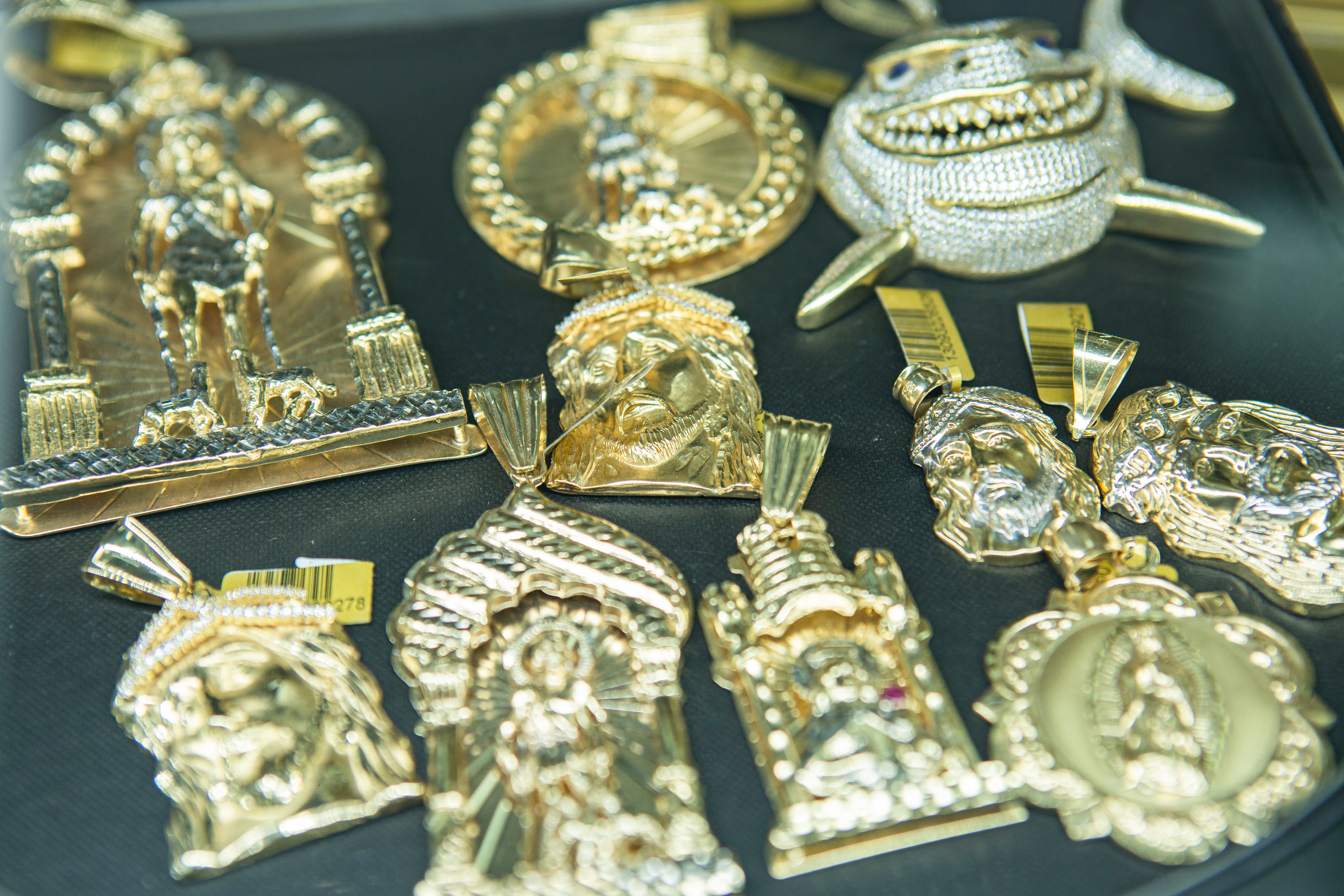
In the hunt for unique and affordable jewelry, many shoppers are turning away from big-box retailers and stepping into a different kind of store—one with real hidden gems: the pawn shop. Whether you’re a vintage enthusiast, a savvy investor, or simply on the lookout for an unbeatable deal, buying jewelry from pawn shop locations could be your golden ticket.
Unlike traditional gold buyers, who acquire jewelry to melt or resell as scrap, pawn shops often carry pieces with stories, character, and craftsmanship that can’t be found in new items. From antique engagement rings to designer watches and one-of-a-kind gold necklaces, pawn shops in Australia—especially in cities like Melbourne, Sydney, and Perth—offer a treasure trove of options.
In this guide, we’ll explore the advantages, risks, and secrets behind buying jewelry from pawn shop businesses—and how to make the most of your purchase.
Table of Contents
Why Pawn Shops Are Hidden Gems for Jewelry Shoppers
Most people associate pawn shops with fast cash loans or emergency sales. While this is true, these establishments are also some of the most overlooked sources for affordable, high-quality jewelry. Here’s why:
1. Lower Prices Than Retail
Pawn shops usually price jewelry based on secondhand value and current market trends, not designer markup. That means you could pay a fraction of the cost you’d find at traditional retailers.
2. Negotiation is Welcome
Unlike standard jewelry stores, negotiation is part of the culture in pawn shops. Whether you’re buying a gold bracelet or diamond ring, you can often get a better price—especially if you’re paying in cash.
3. Unique and Vintage Finds
If you’re tired of mass-produced jewelry, you’ll love the one-of-a-kind pieces often found in pawn shops. From art deco brooches to Edwardian engagement rings, there’s no shortage of character.
This makes buying jewelry from pawn shop stores a smart move for those seeking individuality without breaking the bank.
How Gold Buyers and Pawn Shops Are Connected
You might wonder how gold buyers factor into this equation. Well, pawn shops often act as both: they buy gold from the public (as gold buyers) and sell pre-owned jewelry to customers. Unlike standalone gold buyers who may melt down gold for scrap, pawn shops typically resell wearable items, especially those with aesthetic or brand value.
So, while gold buyers may evaluate jewelry based on weight and purity alone, pawn shops look at design, condition, and resale appeal. This dual role is what enables them to offer such a variety of pieces—and why shoppers can sometimes find gold jewelry at lower-than-scrap prices if it’s been overlooked by the average buyer.
What to Look for When Buying Jewelry from a Pawn Shop
1. Hallmarks and Stamps
Always check for purity markings like 10K, 14K, 18K, or 750 (European marking for 18K gold). These small stamps indicate the metal’s gold content and help confirm authenticity.
2. Overall Condition
Look for wear, missing stones, weak clasps, or visible damage. Most reputable shops refurbish pieces before reselling, but it’s wise to inspect them closely.
3. Appraisal or Certification
Some pawn shops will provide documentation, especially for higher-value pieces. While not always necessary, this can be helpful for insurance or resale purposes.
If you’re concerned about the value of your purchase, compare it to offers from local gold buyers. This ensures you’re not overpaying relative to the item’s melt or resale value.
Tips for First-Time Buyers
If it’s your first time buying jewelry from pawn shop businesses, follow these steps to stay savvy:
-
Research Gold Prices: Know the current price of gold so you can better estimate the item’s worth.
-
Ask About Return Policies: While many pawn shops operate on an “all sales final” basis, some offer short return windows.
-
Shop Around: Visit multiple shops and compare inventory. Inventory turnover is frequent, so if you don’t find the right piece today, try again next week.
-
Bring a Magnet: Real gold isn’t magnetic. If a piece is attracted to a magnet, it’s likely not solid gold.
-
Use a Loupe: A magnifying glass can help you spot stamps or any fine details you might otherwise miss.
Even gold buyers use some of these tools when assessing items brought in for sale, so it’s a great way to level the playing field.
The Role of Gold Buyers in Pawn Shop Pricing
It’s important to note that pawn shops base part of their pricing on what gold buyers would pay for a similar item in terms of scrap value. For instance, if a gold ring weighs 10 grams and the current gold rate is $80 per gram, the base value is around $800. However, pawn shops will price it higher if the design or brand adds value.
Understanding how gold buyers calculate their offers helps you judge whether a pawn shop’s asking price is fair—or inflated.
Benefits of Buying vs. Selling
While gold buyers cater to those looking to liquidate, pawn shops are ideal for shoppers looking to score deals. Here’s a quick comparison:
| Feature | Gold Buyers | Pawn Shops |
|---|---|---|
| Target Audience | Sellers | Buyers |
| Main Focus | Melt Value | Resale Value |
| Item Types | Scrap, broken, or bulk gold | Refurbished, wearable, often vintage |
| Price Flexibility | Typically fixed | Highly negotiable |
| Unique Pieces | Rarely | Frequently |
If you’re in the market for wearable investment pieces, buying jewelry from pawn shop stores is often the more rewarding route.
Frequently Asked Questions
Is it safe to buy jewelry from pawn shops?
Yes, especially if the shop is licensed and reputable. Many also have return policies, and some even guarantee authenticity.
Can I find designer brands in pawn shops?
Absolutely. It’s not uncommon to spot Cartier, Tiffany, or vintage Rolex items among their inventory.
Are pawn shops better than gold buyers for jewelry deals?
For purchasing, yes. Gold buyers focus on buying, not selling. Pawn shops cater to reselling and often price items for consumers.
How often do pawn shops get new jewelry?
Weekly, sometimes daily. Inventory depends on what people bring in for loans or sale, so regular visits can pay off.
Final Thoughts
If you’re looking for affordable luxury, vintage character, or even investment potential, buying jewelry from pawn shop businesses is a move that’s both financially savvy and thrilling. The thrill of discovering something truly unique—and paying less than you would at a traditional retailer—makes the hunt worth it.
Don’t underestimate the connection between pawn shops and gold buyers. Understanding both can help you make smarter purchases, whether you’re shopping for your next favorite ring or evaluating whether a price is fair.
Next time you walk past a pawn shop, step in—you never know what sparkle is waiting inside.


