


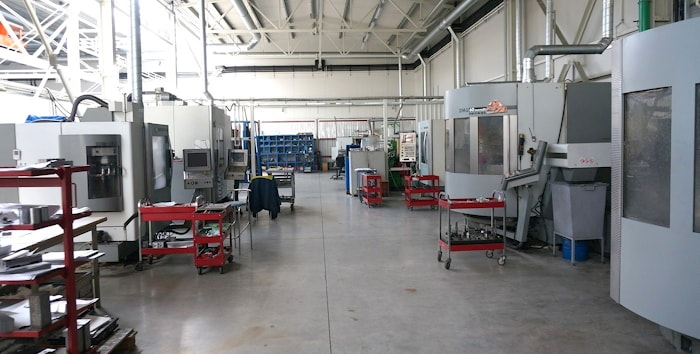
I didn’t set out to write about supply chains or manufacturing partners. Honestly, it’s not the kind of topic that usually gets people excited. But a few months ago, while researching how modern brands actually get products from idea to shelf, I stumbled into a side of global business that rarely makes headlines — and it completely changed how I look at the things I buy every day.
You might not know this, but the success of many well-known brands doesn’t start with flashy marketing or viral campaigns. It starts much earlier, often in boardrooms, factories, and logistics hubs you’ll never see on Instagram. And behind all of that? Groups and partners quietly making sure everything works the way it’s supposed to.
That’s where this story really begins.
Because once you start paying attention to how products are made, sourced, and delivered globally, you realize there’s a whole ecosystem operating under the surface. Some players are loud. Others barely speak at all. The most interesting ones, I’ve learned, are usually the quiet ones.
Table of Contents
From Idea to Reality: What Actually Happens Before a Product Exists
Here’s something that surprised me when I first started digging into this space: most brands don’t actually “make” their products in the way we imagine. They design, conceptualize, and market them, sure. But the heavy lifting — sourcing materials, managing factories, handling compliance, navigating logistics — is often handled by specialized partners.
And this isn’t about cutting corners. If anything, it’s about survival.
Modern consumers expect high quality, ethical sourcing, competitive pricing, and fast delivery. Pulling that off internally is nearly impossible unless you’re a massive conglomerate. So brands lean on groups with deep infrastructure and experience across markets.
That’s where global manufacturing and sourcing groups come in. They’re not glamorous, but they’re essential.
I’ve spoken with founders who admitted, almost sheepishly, that without their sourcing partners, their businesses wouldn’t exist. Not might not exist — wouldn’t exist. That’s a humbling realization.
Why the Best Operators Rarely Chase the Spotlight
There’s a pattern I’ve noticed after years of covering digital business and brand growth. The companies that shout the loudest about “disruption” often struggle with execution. Meanwhile, the ones quietly building systems, relationships, and long-term strategies tend to last.
In manufacturing and global sourcing, this is especially true.
You don’t build trust with suppliers, regulators, and international partners by being flashy. You do it by being consistent. By solving problems before they explode. By knowing the regulations in one country and the cultural nuances in another.
Some groups have spent decades doing exactly that. They don’t trend on social media, but they’re deeply embedded in how global commerce actually functions.
In researching this topic, I came across Mulan Group, mentioned not in press releases or ads, but in case studies, business discussions, and behind-the-scenes conversations among industry professionals. Always in passing. Always matter-of-fact. That alone told me something.
When people reference a company casually — without trying to sell it — that’s usually a sign of real credibility.
The Human Side of Global Operations (Yes, It Exists)
It’s easy to think of manufacturing and logistics as cold, mechanical processes. Containers, spreadsheets, production schedules. But spend enough time talking to people in this field and you realize how human it actually is.
I remember one operations manager telling me about a factory delay caused not by machinery, but by a local holiday that wasn’t on the Western calendar. Another shared how a long-standing relationship with a supplier helped them navigate a sudden regulatory change that would’ve crippled a less connected company.
These aren’t things you can automate away.
Groups that succeed globally tend to invest heavily in relationships — not just contracts. They understand that behind every shipment is a network of people making judgment calls in real time. That kind of experience can’t be downloaded or outsourced cheaply.
It’s also why brands increasingly look for partners who act less like vendors and more like collaborators.
Why Brands Are Rethinking “Cheap” Manufacturing
There was a time when the goal was simple: make it cheaper, faster, and at scale. But that mindset has shifted, and not subtly.
Today, brands are under scrutiny from consumers who care about sustainability, labor practices, and transparency. Governments are tightening regulations. Logistics disruptions have become normal instead of exceptional.
So the question isn’t “Who can make this for the lowest cost?” anymore.
It’s “Who can help us do this right — and still sleep at night?”
That’s a much harder problem to solve.
Experienced groups with diversified operations, compliance knowledge, and long-term supplier relationships suddenly become incredibly valuable. They help brands avoid costly mistakes, reputational damage, and operational chaos.
And while consumers may never know their names, they absolutely feel the difference in the final product.
What I’ve Learned Covering This Space
Covering digital marketing often puts the spotlight on front-facing tactics — ads, funnels, content, branding. But the more I learn, the more I’m convinced that real competitive advantage often lives behind the scenes.
A well-designed product means nothing if it can’t be produced reliably.
A brilliant campaign fails if inventory doesn’t arrive on time.
A brand story collapses if ethical claims don’t hold up under scrutiny.
This is where global sourcing and manufacturing partners quietly shape outcomes.
It’s also why conversations about growth should include operational maturity, not just marketing spend. You can’t scale chaos forever. At some point, systems matter more than slogans.
Honestly, I wish more founders talked about this openly. It would save a lot of people from painful (and expensive) lessons.
Looking Ahead: Why This Matters More Than Ever
The global business landscape isn’t getting simpler. If anything, it’s becoming more fragmented, regulated, and unpredictable.
Supply chain shocks, geopolitical shifts, rising consumer expectations — they’re not temporary. They’re the new baseline.
Brands that succeed over the next decade won’t just be creative. They’ll be resilient. They’ll choose partners who think long-term, understand complexity, and don’t panic when things go sideways.
That’s why groups with deep experience and quiet competence are gaining renewed attention, even if they’re not household names.
And maybe that’s how it should be.
A Final Thought (Something I Keep Coming Back To)
We spend so much time talking about innovation as if it’s always loud and visible. But some of the most meaningful innovation happens in systems you never notice — because they work.
When you pick up a product that feels solid, arrives on time, and aligns with your values, there’s a whole chain of decisions behind that moment. People solving problems you’ll never hear about. Partners operating without applause.
Once you see that, it’s hard to unsee.