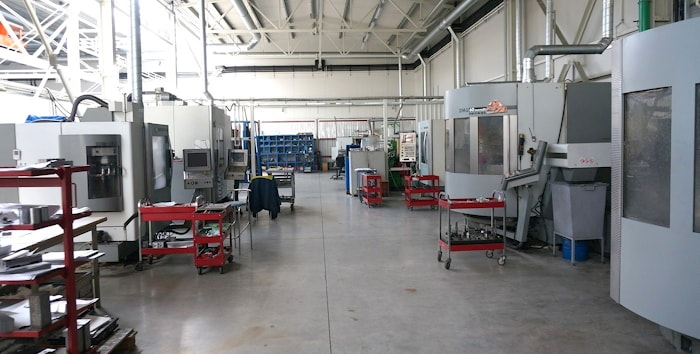
Industrial plants depend on more than product availability. They need materials that arrive on time, match agreed specifications, and perform consistently from one shipment to the next. TYWH supports this need by combining calcium carbide production, quality control, packaging, logistics, and customer service within a coordinated supply system.
For acetylene producers, steel plants, and other industrial buyers, supply reliability can affect daily output. A late shipment may interrupt production, while inconsistent material can change process efficiency. A dependable supplier reduces these risks by managing quality and delivery as parts of the same service.
Table of Contents
Why Calcium Carbide Supply Reliability Matters
Calcium carbide is an industrial material used in several demanding applications. It reacts with water to produce acetylene, and it also serves as a desulfurizing agent in iron and steel processing. Because these applications depend on predictable reactions, buyers need material with stable particle size, gas yield, and impurity levels.
Supply reliability also affects inventory planning. Plants often work with fixed production schedules and limited storage capacity. If shipments arrive unpredictably, buyers may need to keep more safety stock, which ties up space and working capital.
A stable supply relationship gives procurement teams better control. They can plan order cycles, manage stock levels, and coordinate production with fewer emergency purchases. This creates a more efficient link between raw material sourcing and plant operations.
TYWH Focuses on Consistency From Source to Delivery
Reliable supply starts before a product is packed. Raw material selection, processing, screening, testing, and storage all influence the final batch. A supplier with control over these stages can respond more effectively when customers need consistent specifications.
Production planning matters as well. Industrial buyers may require different particle sizes or packaging formats for specific equipment and handling systems. Coordinated production and filling capacity can help the supplier prepare orders according to those needs rather than treating every shipment as a standard product.
Quality checks add another layer of control. Sampling and batch testing help confirm whether the calcium carbide meets agreed requirements before dispatch. Clear inspection records also give purchasing and technical teams useful information for traceability.
Product Quality Affects Acetylene Production
In acetylene generation, calcium carbide quality directly affects process performance. Gas yield is one important factor because it helps determine how much acetylene can be produced from a given amount of material. Particle size can also influence how the material reacts inside generation equipment.
Impurities create another concern. Variations in unwanted compounds can affect gas quality, equipment condition, and downstream operations. For that reason, buyers should review certificates of analysis and supplier testing practices instead of making decisions based only on price.
Consistent batches can make operating conditions easier to manage. Operators spend less time adjusting for unexpected material differences, while procurement teams gain a clearer view of real consumption rates. This can improve planning across production, maintenance, and purchasing.
Dependable Supply Supports Steel Processing
Steel producers use calcium carbide in desulfurization because it can help remove sulfur from molten metal. This application requires reliable material flow and predictable performance during treatment. If particle size or composition changes too much, plant teams may need to adjust dosing or process conditions.
A stable supplier helps reduce that uncertainty. Buyers can set specifications based on their operating needs and compare each delivery against those requirements. This approach supports repeatable process control and better use of raw materials.
Industrial customers can also review product ranges and supply information through www.tjtywh.com when evaluating options for different applications. Access to clear product details makes early technical discussions more efficient.
Safe Packaging and Moisture Control Are Essential
Calcium carbide requires careful handling because contact with water or moisture releases flammable acetylene gas. For this reason, packaging must protect the material during storage and transport. Strong, well-sealed containers help reduce exposure to humid air and accidental water contact.
Safety should continue through loading, shipping, receiving, and warehouse storage. Buyers should confirm packaging conditions at delivery and store drums or containers in a dry area that follows applicable safety rules. Staff should also use procedures designed for water-reactive materials.
Supplier experience with dangerous-goods logistics can support smoother international shipments. Correct documentation, packaging, labeling, and coordination help reduce avoidable delays at ports or transfer points. These details matter because a shipment is only useful when it reaches the plant safely and on schedule.
Strong Supply Chain Management Reduces Disruption
A reliable calcium carbide program depends on more than factory output. Inventory planning, order communication, transport booking, and shipment tracking must work together. Weakness in any one area can create delays even when the product is ready.
TYWH uses an integrated production and sales approach to connect manufacturing with customer orders. This model can help teams respond to changes in demand, organize inventory, and coordinate delivery requirements more clearly.
Buyers also benefit from early communication. If demand rises, a plant outage changes a delivery date, or a packaging request changes, both sides need accurate information. Fast communication gives suppliers and customers more time to adjust before a small issue becomes a supply interruption.
What Industrial Buyers Should Check Before Choosing a Supplier
Price matters, but it should not be the only purchasing measure. Industrial buyers should review product consistency, production capability, quality documentation, packaging standards, logistics experience, and response time. These factors often have a larger effect on total operating reliability.
Buyers should also ask how the supplier handles batch testing and nonconforming material. A clear quality process shows how problems are identified, recorded, and corrected. It also helps buyers understand what support they can expect if a shipment does not match specifications.
Long-term supply planning deserves attention too. A supplier that understands expected monthly demand can prepare production and delivery schedules more effectively. This is especially useful for customers that operate continuously or rely on imported raw materials.
Environmental Responsibility and Long-Term Supply
Industrial sourcing increasingly includes environmental and sustainability questions. Customers may want to understand how suppliers manage production efficiency, resource use, emissions, and compliance. These issues can affect both corporate purchasing standards and long-term supply decisions.
The company states that it focuses on environmental protection, sustainable development, and responsible operations while building its calcium carbide supply system. These goals matter most when they support measurable improvements in production, logistics, and resource management.
For customers comparing suppliers, tjtywh.com provides additional information about products, quality systems, applications, and service capabilities. Reviewing that information alongside technical documents can help procurement teams prepare better questions before placing an order.
A Reliable Supplier Becomes Part of Production Planning
Calcium carbide purchasing is not simply a transaction for a chemical product. It connects directly to plant efficiency, safety, inventory, and production continuity. A supplier that manages quality, packaging, logistics, and communication well can reduce uncertainty across that chain.
TYWH positions its service around safe, reliable products, professional support, and coordinated supply management. For industrial buyers, the practical value comes from consistent material, dependable delivery, clear documentation, and responsive service. Those elements help turn raw material purchasing into a more stable part of daily operations.